<del id="jzhi2"><form id="jzhi2"></form></del>
<b id="jzhi2"><abbr id="jzhi2"></abbr></b>
  • 
    

    • 
      

    • <b id="jzhi2"><menuitem id="jzhi2"></menuitem></b>
      <b id="jzhi2"><abbr id="jzhi2"></abbr></b>

      <del id="jzhi2"><form id="jzhi2"></form></del>
    • <strong id="jzhi2"><form id="jzhi2"></form></strong>
          您所在的位置: 首頁 > 新聞動態(tài)
          液壓緩沖器選擇的通用原則

          液壓緩沖器選擇的通用原則

          液壓緩沖器選擇的通用原則

          詳細(xì)介紹

          液壓緩沖器選擇的通用原則 
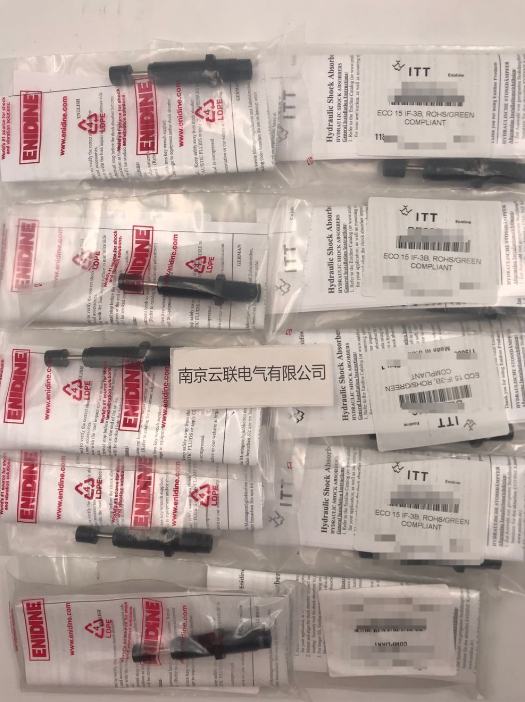
          液壓緩沖器作為吸收沖擊能量、保護(hù)設(shè)備部件的關(guān)鍵元件,其選擇是否合理直接影響設(shè)備的運(yùn)行壽命與安全性。在各類工業(yè)場景中,錯(cuò)誤選擇往往導(dǎo)致緩沖器過早失效、設(shè)備振動加劇甚至引發(fā)安全事故,因此掌握通用選擇原則與核心參數(shù)解析方法至關(guān)重要。
          選擇液壓緩沖器的首要步驟是明確工況中的沖擊能量,這是決定緩沖器規(guī)格的核心依據(jù)。沖擊能量的計(jì)算需綜合考慮運(yùn)動部件的質(zhì)量與沖擊速度,公式為“沖擊能量=0.5×質(zhì)量×速度2”,但實(shí)際應(yīng)用中需疊加負(fù)載波動系數(shù)(通常取1.2-1.5),避免因瞬時(shí)過載導(dǎo)致緩沖器損壞。例如,在物流輸送線中,若托盤及貨物總質(zhì)量為500kg,沖擊速度為0.8m/s,計(jì)算得出基礎(chǔ)能量為160J,疊加1.3的系數(shù)后,需選擇額定能量不低于208J的緩沖器。
          額定行程與安裝空間的匹配是易被忽視的關(guān)鍵環(huán)節(jié)。緩沖器的有效行程需滿足“沖擊位移≤額定行程的80%”,既保證充分吸收能量,又預(yù)留安全余量。同時(shí)需結(jié)合設(shè)備結(jié)構(gòu)確定安裝方式,如臥式安裝需考慮水平?jīng)_擊力對緩沖器密封件的影響,立式安裝則要額外配備防墜落裝置。某汽車沖壓線曾因未考慮安裝空間限制,選用過長緩沖器導(dǎo)致與模具干涉,最終通過更換短行程大能量型號解決問題。
          環(huán)境適應(yīng)性參數(shù)同樣不可輕視。在高溫工況(如冶金設(shè)備)中,需選擇耐300℃以上的氟橡膠密封件及高溫液壓油;潮濕或腐蝕性環(huán)境(如食品加工、海洋工程)則應(yīng)優(yōu)先選用316不銹鋼外殼及IP67以上防護(hù)等級的產(chǎn)品。此外,響應(yīng)速度需與沖擊頻率匹配,高頻沖擊場景應(yīng)選擇閥芯直徑更大的型號,避免出現(xiàn)緩沖滯后現(xiàn)象。
          緩沖特性曲線的匹配度直接影響緩沖效果。對于精密設(shè)備,應(yīng)選擇平緩型特性曲線,確保沖擊力均勻衰減,避免二次沖擊;而重型設(shè)備則需陡峭型曲線,實(shí)現(xiàn)快速吸能。同時(shí)要關(guān)注緩沖器的復(fù)位方式,彈簧復(fù)位適用于低頻場景,液壓復(fù)位則更適合高頻連續(xù)工作的工況。最后,選擇時(shí)需兼顧品牌可靠性與售后服務(wù),優(yōu)先考慮具備第三方檢測報(bào)告、能提供定制化解決方案的供應(yīng)商,從源頭保障設(shè)備運(yùn)行安全。

          QQ20251128-094759.png

          General principles and core parameter analysis for selecting hydraulic buffers

          The selection of hydraulic buffer, as a key component for absorbing impact energy and protecting equipment components, directly affects the operating life and safety of the equipment. In various industrial scenarios, incorrect selection often leads to premature failure of buffers, increased equipment vibration, and even safety accidents. Therefore, it is crucial to master the general selection principles and core parameter analysis methods.

          The primary step in selecting a hydraulic buffer is to determine the impact energy in the operating conditions, which is the core basis for determining the buffer specifications. The calculation of impact energy needs to comprehensively consider the mass and impact velocity of the moving parts, with the formula of "impact energy=0.5 × mass × velocity 2". However, in practical applications, the load fluctuation coefficient (usually taken as 1.2-1.5) needs to be added to avoid damage to the buffer due to instantaneous overload. For example, in a logistics conveyor line, if the total mass of pallets and goods is 500kg and the impact velocity is 0.8m/s, the calculated basic energy is 160J. After adding a coefficient of 1.3, a buffer with a rated energy of not less than 208J needs to be selected.

          The matching between rated travel and installation space is a key link that is easily overlooked. The effective stroke of the buffer must meet the requirement of 'impact displacement ≤ 80% of the rated stroke', which ensures sufficient energy absorption and reserves a safety margin. At the same time, the installation method should be determined based on the equipment structure. For horizontal installation, the influence of horizontal impact force on the buffer seal should be considered, while for vertical installation, additional anti fall devices should be equipped. A certain automobile stamping line once used an excessively long buffer due to insufficient installation space, which caused interference with the mold. Eventually, the problem was solved by replacing it with a short stroke high-energy model.
          <del id="jzhi2"><form id="jzhi2"></form></del>
          <b id="jzhi2"><abbr id="jzhi2"></abbr></b>
        1. 
          

          • 
            

          • <b id="jzhi2"><menuitem id="jzhi2"></menuitem></b>
            <b id="jzhi2"><abbr id="jzhi2"></abbr></b>

            <del id="jzhi2"><form id="jzhi2"></form></del>
          • <strong id="jzhi2"><form id="jzhi2"></form></strong>
                操一操撸一撸 | 中国妓女一级A片 | 西西特级444www高清视频 | 精品免费一区二区三区四区 | 日本高清无码在线 |